Occupied Staging: Living in Your Listing
May 2026
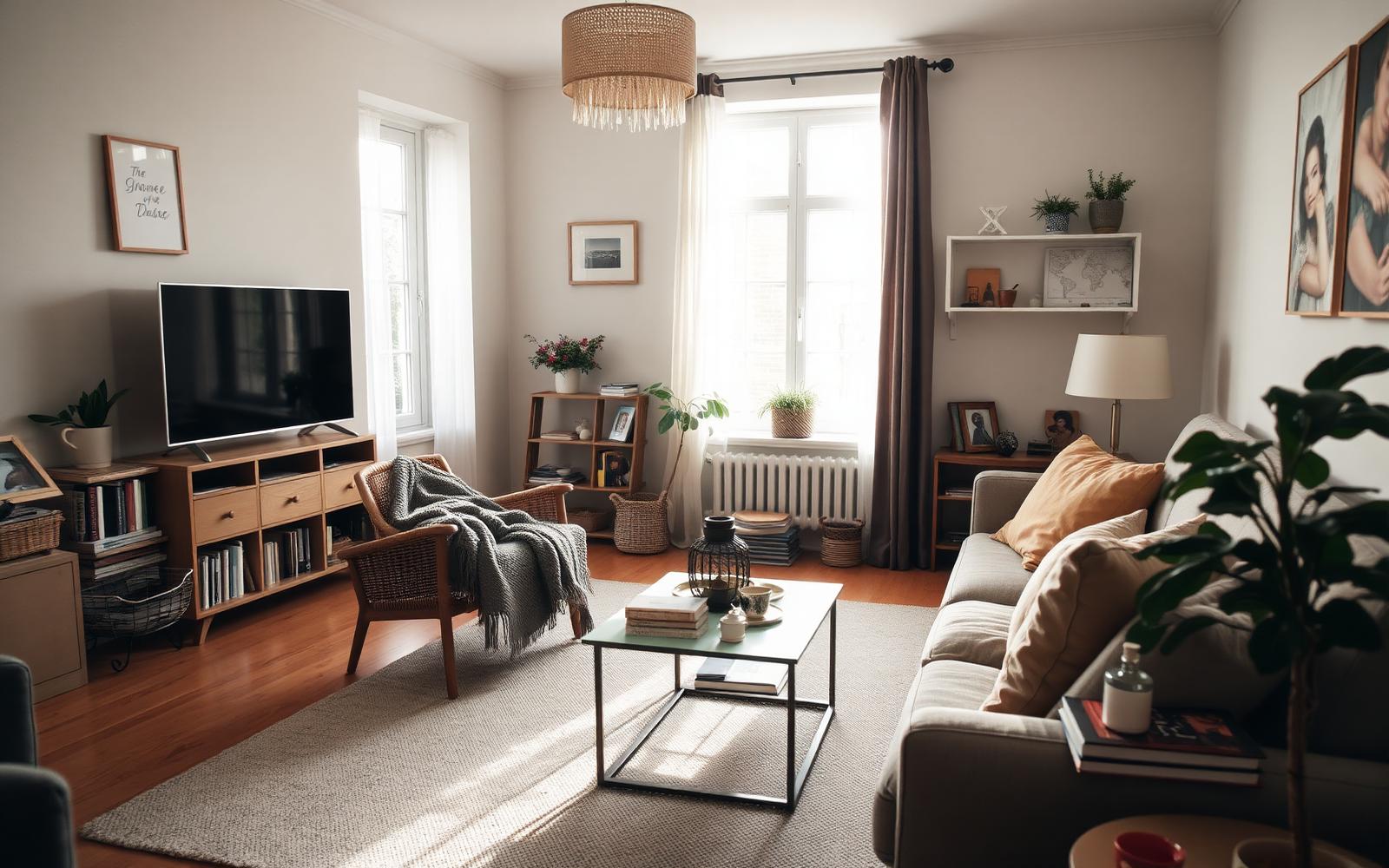
You don't need to move out to make a home market-ready. Tips for editing, depersonalizing, and styling while life continues.
Most staging advice assumes an empty house — a blank canvas where furniture gets placed and nothing else is competing for space. But that's not reality for most sellers. You're still cooking dinner, kids still need somewhere to do homework, and the dog still needs a place to sleep. The house has to function as a home right up until it sells.
The good news: occupied staging works. It just takes a different kind of discipline than staging an empty house. Here's how to do it well.
Start With the Edit, Not the Decor
Before anything gets styled, it has to get thinned out. This is the same pre-listing purge work we always recommend, but in an occupied home it happens in layers instead of all at once:
- Clear out what you're not using in the next few months and get it into storage early.
- Reduce furniture to what a room actually needs to function — not everything you own.
- Pack away the bulk of personal photos and memorabilia, keeping only a few intentional pieces out.
Doing this early means you're not scrambling the week before your first showing, and it makes daily life simpler in the meantime, not harder.
Create "Staged Zones" and "Living Zones"
One of the most practical shifts for occupied staging is mentally dividing the house into two categories:
- Staged zones — the rooms buyers will spend the most time in and photos will feature most: living room, primary bedroom, kitchen, dining area. These stay camera-ready at all times.
- Living zones — the spaces that absorb daily life: home offices, kids' rooms, laundry areas, garages. These need to be tidy and functional, but don't have to be picture-perfect around the clock.
This split takes the pressure off maintaining showroom conditions in every square foot of the house, while still making sure the rooms that matter most for buyer impressions are always ready.
Build in Daily Reset Habits
Occupied staging lives or dies on small, repeatable habits rather than one big effort:
- The 10-minute reset. Before bed or before leaving for the day, do a quick pass: dishes put away, surfaces cleared, throw pillows and blankets straightened.
- A landing zone for daily clutter. Mail, keys, shoes, and bags need somewhere to go that isn't the entry table or kitchen counter. A basket or closet works.
- A "show-ready" bin. Keep a bin or two of items that get tucked away fast when a showing comes up on short notice — toys, pet bowls, loose mail.
None of this requires a major lifestyle change. It just requires a consistent home for things that used to live wherever they landed.
Depersonalize Without Losing Warmth
Depersonalizing gets a bad reputation because people assume it means stripping a home of all personality. It doesn't. It means removing the specifics that make a space read as your life, while keeping the details that make it feel like a home.
- Swap family photos for a few simple frames, art, or mirrors.
- Keep one or two personal touches per room — a plant, a stack of books, a textured throw — rather than none at all.
- Favor neutral bedding and towels over bold patterns or characters, especially in kids' rooms.
The goal isn't to erase your family from the house. It's to make the space feel welcoming to anyone, not identifiably tied to one household.
Managing Life Around Showings
Occupied homes come with a logistics problem empty ones don't: you need somewhere to be, and something to do with pets, kids, and daily mess, every time a showing is scheduled.
- Keep a simple "showing checklist" by the door — lights on, blinds open, surfaces cleared, trash out — so leaving the house takes five minutes, not thirty.
- Have a plan for pets ahead of time, whether that's a crate, a friend's house, or a quick car ride.
- Pack an overnight bag for young kids if showings tend to run during nap or bedtime windows, so you're not caught off guard.
The less decision-making required in the moment, the less stressful each showing becomes.
Where Staging Fits In
Occupied staging still benefits from the same principles as an empty-home staging: scale, proportion, neutral tones, and intentional styling in the rooms that matter most. The difference is that it has to coexist with real life rather than replace it. A well-planned occupied staging plan actually makes daily life easier during the listing period, because it removes the guesswork of what needs to happen before each showing.
If you're listing a home you're still living in, that's exactly where staging support is most valuable — building a plan that keeps the house market-ready without asking your family to stop living in it while you wait for the right buyer.