The Pre-Listing Purge: What to Keep, Store, or Let Go
March 2026
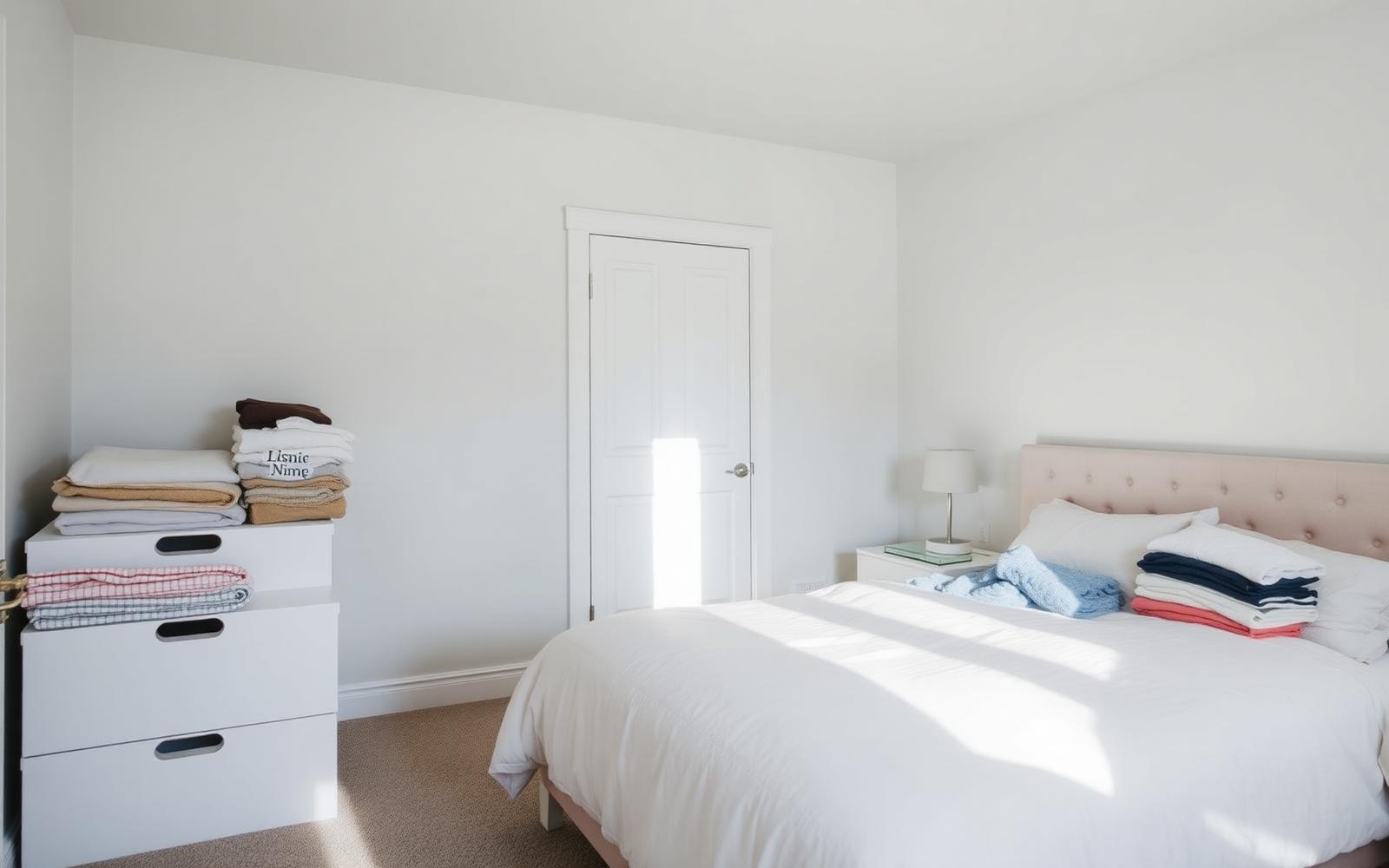
Everyone knows the Marie Kondo method: hold an item, ask if it sparks joy, and let that decide its fate. It's a lovely approach. It is also, frankly, a little precious for the task of getting a house ready to sell.
Here's a more useful test, and any parent will recognize it immediately: if there were poop on it — literal poop — would you clean it, or would you throw it away?
That's not a joke. It's the real question underneath every pre-listing decision. Some things are worth the effort of cleaning, repairing, or repainting because they're doing real work for you. Everything else is just taking up space, and no amount of sentimental attachment changes that math when you're trying to sell a house. Joy is a nice bonus. Function and effort-versus-payoff is what actually gets a home ready to list.
Most homeowners default to one of two extremes — pack up literally everything, or leave it all in place and hope buyers can see past it. Neither approach serves you well. The real work is in the purging: deciding item by item what stays, what goes into storage, and what should leave the house for good before it ever hits the market.
Here's how to think through that process room by room.
Why the Purge Matters
Buyers aren't just evaluating square footage and layout — they're trying to picture their own life in your space. A home that's overstuffed with personal belongings, collections, or excess furniture makes that harder. It's not that your things are bad; it's that too much of anything (even nice anything) competes for attention with the bones of the house itself.
A good pre-listing purge isn't about erasing your personality. It's about creating enough visual breathing room that buyers can imagine their own.
What to Keep
Keep the pieces that do real work for the space:
- Furniture that fits the scale of the room. An oversized sectional in a small living room, or a single armchair floating in a large one, both work against you. Keep what's proportional.
- Neutral, versatile items. Simple furniture lines, solid-color linens, and understated art tend to help a room read as move-in ready rather than distinctly "yours."
- A few intentional personal touches. A well-placed plant, a stack of coffee-table books, a bowl on the counter — these make a house feel lived-in rather than staged into oblivion. The goal is warmth, not a museum.
What to Store
Storage is for things that are meaningful or useful but currently working against the sale:
- Family photos and personal memorabilia. These are often the single biggest thing standing between a buyer and picturing themselves in the home. Pack them up, even if it feels strange to see bare walls.
- Excess furniture. If a room has more pieces than it needs to function, remove the extras. A bedroom with a bed, two nightstands, and a dresser reads better than one that also has a desk, a bench, and a reading chair crammed in.
- Off-season or bulk items. Out here, that might mean snow gear in summer, garden equipment in winter, or anything seasonal that's currently just taking up closet or garage space.
- Collections. Whether it's books, art, or anything gathered over the years, a large collection — however beloved — usually needs to be thinned dramatically or boxed up entirely.
What to Let Go
Some things are worth being honest about before they even make it to a storage unit:
- Anything damaged or dated that won't travel to your next home anyway. If it's not coming with you, don't pay to store it.
- Duplicate or excess household items. Extra small appliances, linens beyond what you use, furniture from a room you no longer need staged.
- Anything that no longer fits your life. A pre-listing purge is often a good moment to actually finish a decluttering project that's been half-done for years.
Donating, selling, or discarding these items now means one less thing to deal with during the move itself.
A Simple Way to Decide
Skip the joy test. When you're standing in a room unsure what category something falls into, go back to the poop test: is this worth the effort of cleaning it up, fixing it, or hauling it to storage — or is it just easier to let it go?
If it's genuinely worth the effort, ask two more questions:
- Does this help a buyer picture themselves living here, or does it distract from the space?
- Am I actually bringing this to my next home, or just avoiding a decision?
If the answer to the first is "distract" and the second is "avoiding a decision," you already know what to do with it.
Where This Fits Into Staging
This purge is the groundwork that makes staging effective. A stager can bring in furniture, art, and accessories to highlight a home's best features — but that work is far more powerful in a space that's already been thoughtfully cleared. The purge and the staging aren't separate steps; they're two halves of the same goal: helping buyers see the home at its best.
If you're preparing to list and aren't sure where to start with the sorting, that's exactly where we come in. A walkthrough before you even begin packing can save you time, storage costs, and a lot of second-guessing about what actually needs to go.