Why Staged Homes Sell Faster — And For More
August 2026
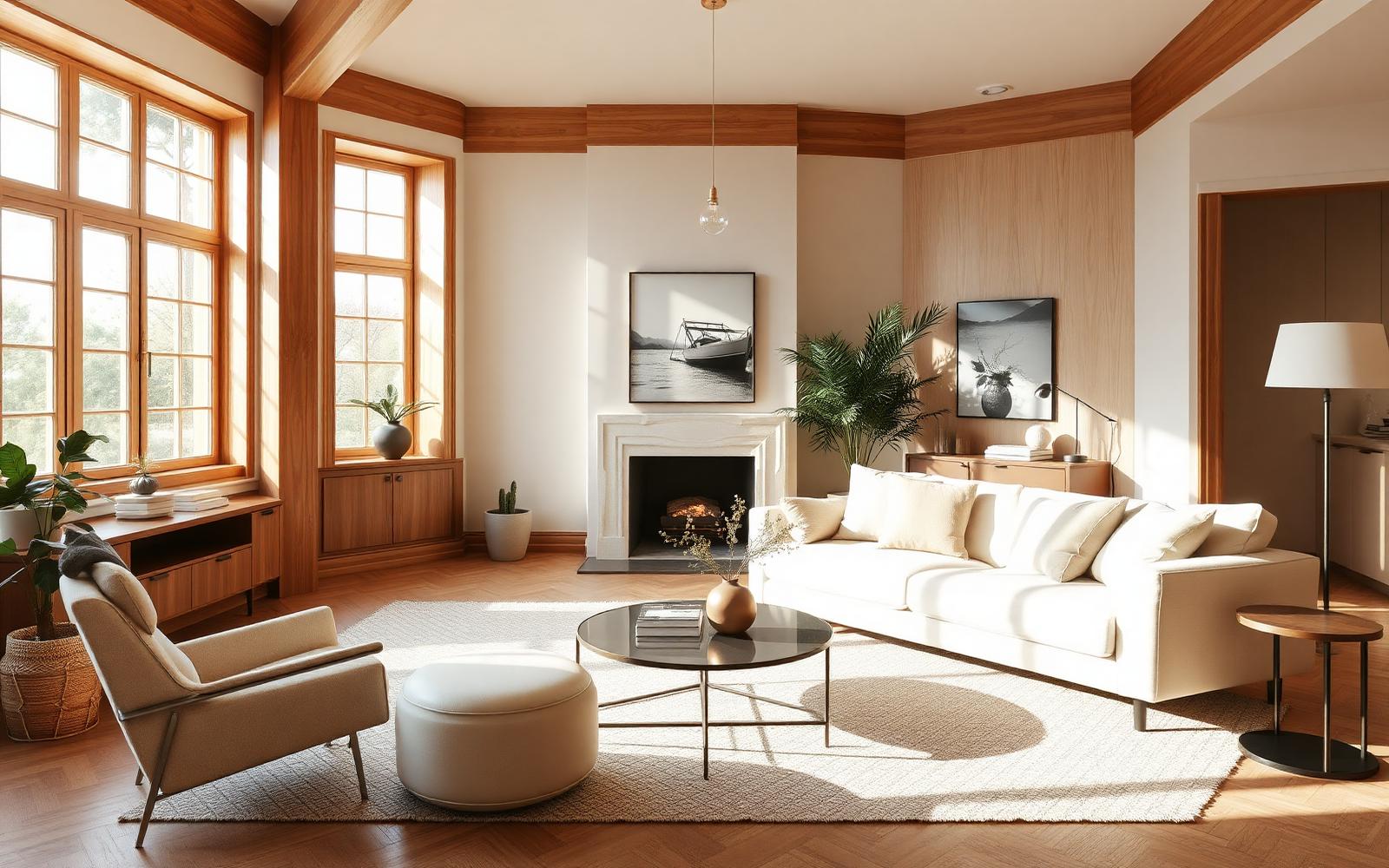
First impressions happen online. Learn how strategic staging shapes buyer perception and helps listings stand out in a competitive market.
By the time a buyer ever walks through a front door, they've usually already decided whether they're interested. The first real showing happens on a phone screen, scrolling through listing photos late at night or on a lunch break. That online first impression does more to determine a home's outcome than almost anything that happens afterward — and staging is what shapes it.
Here's why that first impression carries so much weight, and how staging changes the outcome on both speed and price.
The Listing Photo Is the Real Front Door
Buyers today scroll through dozens of listings before ever requesting a showing. In that environment, a home has a few seconds to earn a second look. Empty rooms, awkward furniture placement, or cluttered spaces don't just look less appealing — they actively make it harder for a buyer to understand what a room is even for. A primary bedroom that reads as storage space, or a living room with no clear furniture arrangement, gets scrolled past without a second thought.
Staged homes solve this immediately. Every room has an obvious purpose, a sense of scale, and a reason to keep looking. That's the entire game in the first ten seconds of a listing photo.
Staging Solves the Scale Problem
Empty rooms are famously difficult for buyers to judge. Without furniture as a reference point, most people either overestimate or underestimate how a room will actually function — will the bed fit here, does the couch work with that layout, is this room actually big enough for a dining table and chairs?
Staging removes that guesswork. Furniture and decor give buyers an immediate, accurate sense of scale, which builds confidence that a home will work for their life rather than leaving them unsure and moving on to the next listing instead.
It Shortens the Distance to "I Can See Myself Here"
The single biggest job staging does is emotional, not visual. A well-staged home helps a buyer picture their own life happening in the space — morning coffee at the kitchen table, movie nights on the couch, holidays around the dining room. An empty or cluttered home asks the buyer to do all of that imaginative work themselves, and most buyers simply won't put in the effort across dozens of listings.
The shorter the emotional distance between "I'm looking at a house" and "I can see myself living here," the faster a buyer moves from browsing to scheduling a showing to making an offer.
Staged Homes Create Urgency, Not Just Interest
Homes that photograph well and show well tend to generate more interest in a shorter window, which changes the dynamics of a sale. More interested buyers in the same timeframe means more competition for the same home — and competition is what drives both faster offers and stronger ones. A home that lingers on the market with lukewarm interest rarely creates that same sense of urgency, regardless of price.
Consistency Across Every Room Matters
One inconsistency — a beautifully staged living room followed by a cluttered garage or an awkward, unstaged bedroom — breaks the momentum a buyer builds while touring a home, whether that tour happens online or in person. Buyers naturally weigh a home based on its weakest impression, not just its strongest one.
This is why professional staging typically covers every space a buyer will see, not just the rooms that photograph most dramatically. A cohesive experience from listing photo to final walkthrough keeps buyer confidence high the whole way through.
The Numbers Behind the Perception
The psychology holds up because it reflects how buyers actually behave. Homes that present well tend to spend less time on the market simply because they clear the "worth a closer look" bar faster and more consistently than homes that don't. Less time on market often means less negotiating leverage builds up against the seller, which tends to support a stronger final sale price rather than a discounted one.
Staging isn't just about beauty — it's a direct lever on both timeline and price, because it changes how many buyers seriously engage with a listing in the first place.
Where This Fits Into a Sale
Staging works best when it's approached as part of the sale strategy from the beginning, not an afterthought once a home has already sat on the market for a few weeks with limited interest. The homes that benefit most are the ones staged before the first photo is ever taken — because that first impression is the one buyers act on, and the one that's hardest to undo once it's already been made.
If you're preparing to list and want your home to make the strongest possible first impression — online and in person — that's exactly the outcome staging is built to deliver.